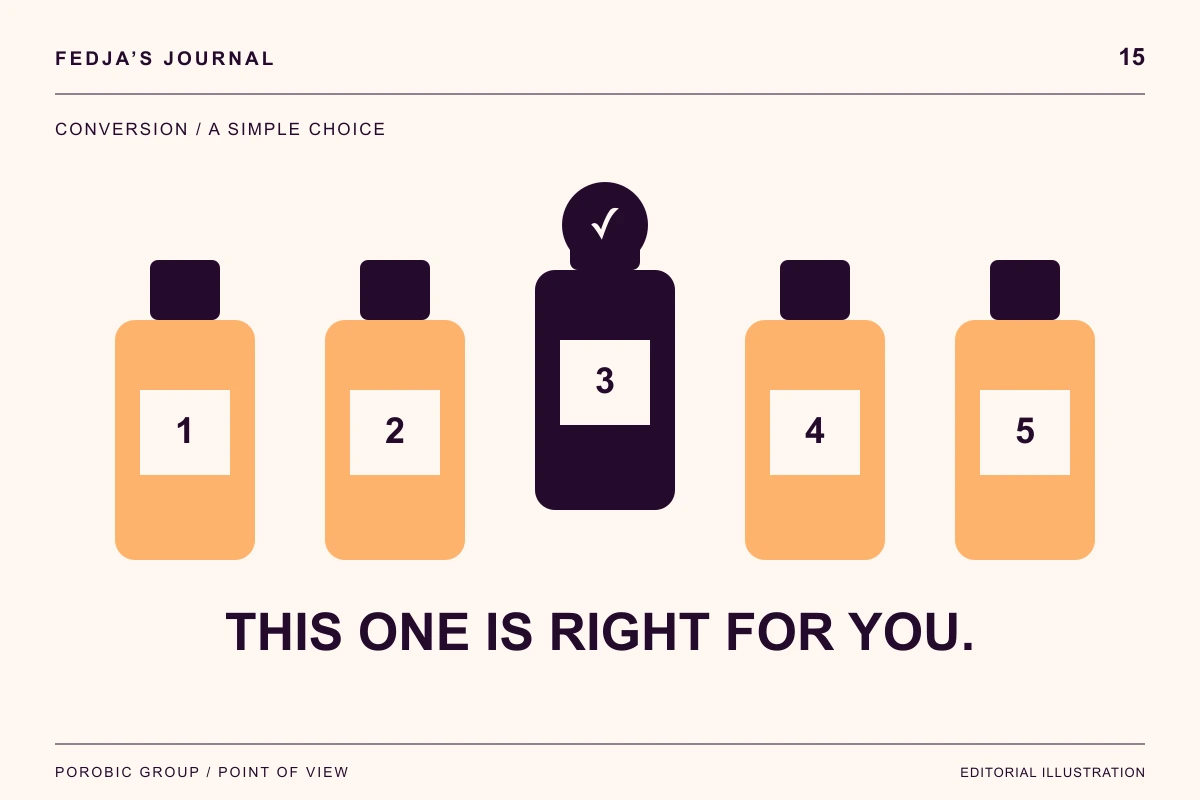
Beautiful ad. Wrong expectation. Expensive return.
We celebrate the purchase in the ad account. Then the product comes back because the customer thought she was ordering something else.
When an order is returned, I want to understand more than how quickly we can handle the parcel. What did the customer think she was ordering? What did we show in the ad, and what help did she get on the product page? We can put a lot of effort into getting people to click and buy. I think the same creative responsibility should extend to the moment she opens the parcel. She should recognise what she chose.
The most beautiful image can leave an important gap.
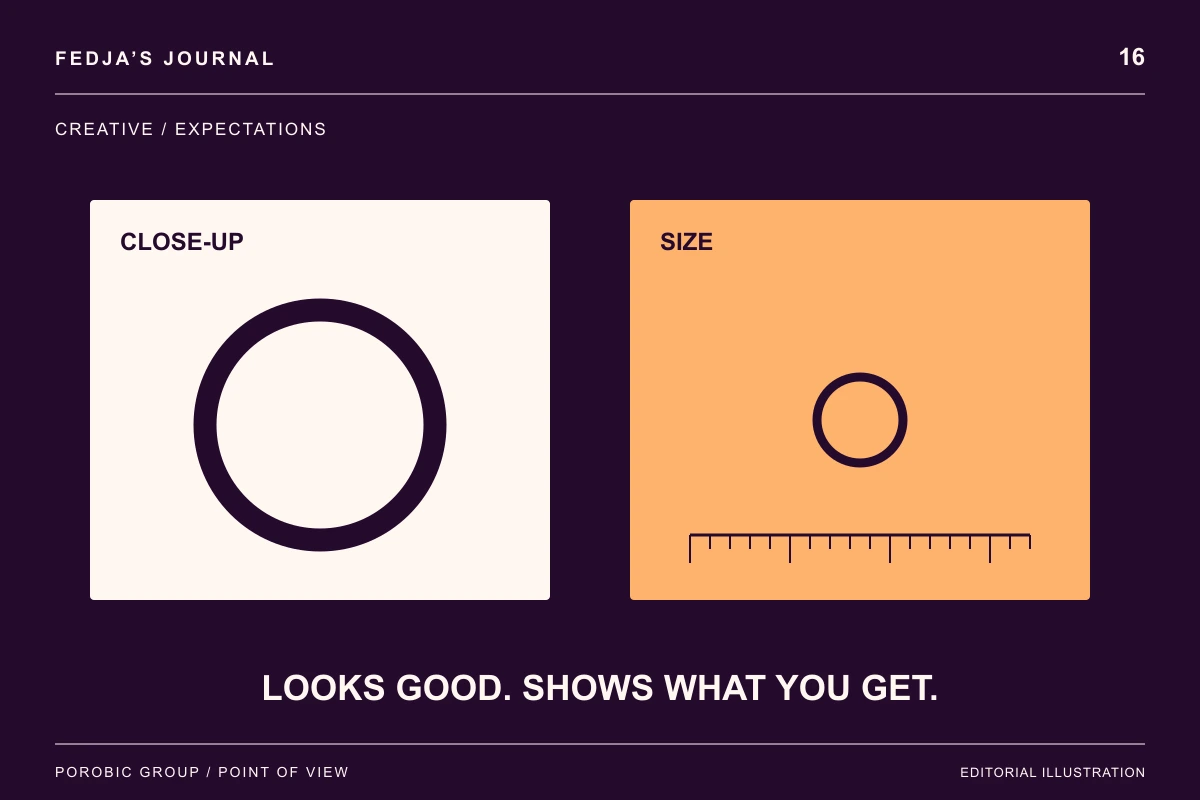
Imagine a piece of jewellery in close-up. It looks fantastic. The customer orders and discovers on delivery that it is much smaller than she imagined. The image sold the desire to own it. Did it help her understand what she would receive?
The close-up need not be wrong. It may show the craftsmanship exactly as intended. But if it is the customer’s only reference for size, we leave a fairly important job to her imagination. Unfortunately, her imagination was not at our product walkthrough.
Show the size before the customer has to guess.
Those of us holding the product every day have a head start. We know how a garment hangs, how large a bag feels and how jewellery looks on a person. The customer has only what we show and tell her. I therefore want to review the images with her questions in mind.
A picture of someone wearing the jewellery can put the close-up in context. A bag on a person can make the measurements understandable. The result need not be duller. There is a creative task in making the right information easy to grasp without first making the customer calculate.
Follow the promise from ad to parcel.
I want to go through the same purchase as one continuous journey. What does the ad say? Which image meets the customer on the product page? What becomes clear only after scrolling a long way or opening another tab? A detail can be on the site and still be easy to miss when the decision is made.
List what the customer needs to understand about size, material and use. Check where she gets the answers before buying. If our defence starts with saying the information is somewhere on the site, we have probably found something to improve.
The reason for the return needs to reach creative.
The person making the next ad needs to learn from returned orders. Otherwise returns information becomes a separate track, far from the work that set the expectations. I want customer service, e-commerce and creative to connect around recurring questions, rather than just circulate a percentage.
Distinguish between reasons too. A product may be damaged, the wrong size may have been chosen or the experience may differ from what the customer expected. Not everything is a communication problem. But when the same misunderstanding returns, I want to know whether images, copy or guidance contribute to it.
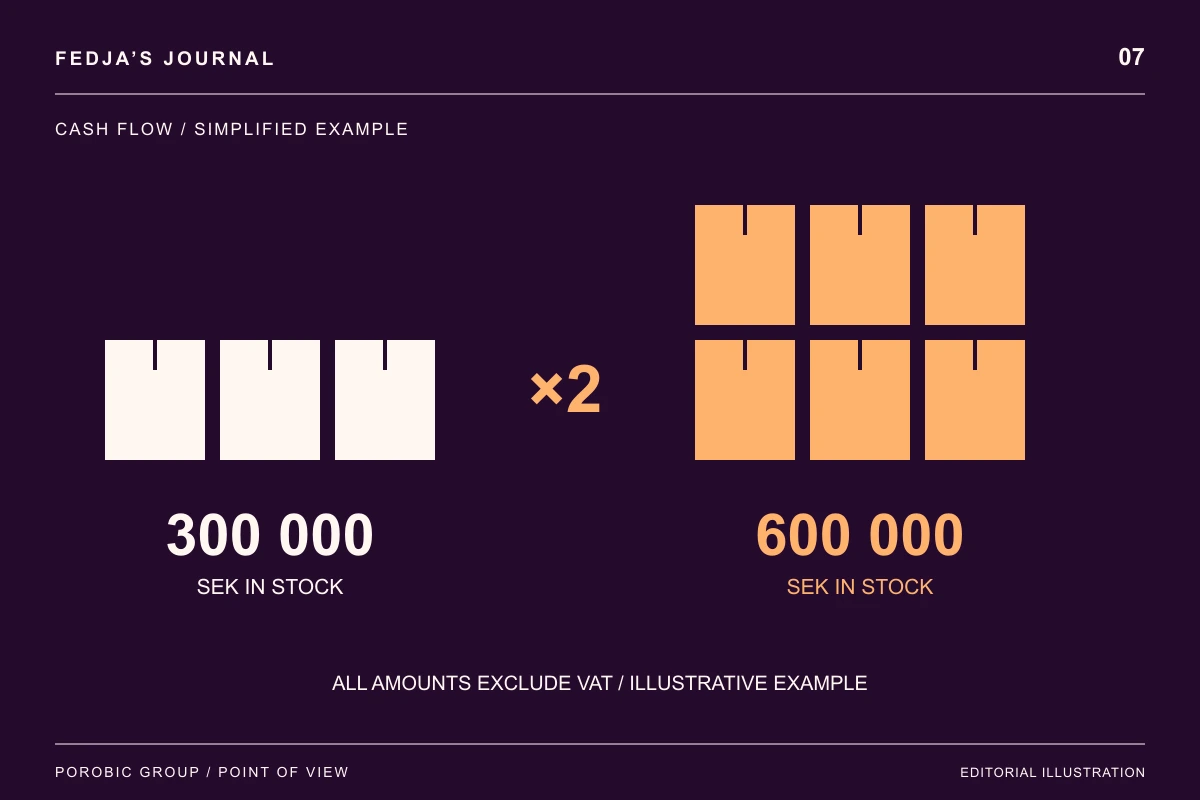
Include returned orders in the calculation too.
A recorded purchase is not the entire business outcome. If we assess ads before returns have had time to arrive, we can miss part of what the sales actually leave behind. I therefore want to follow how purchases develop over time and connect that back to the products and expectations we created.
A high return rate does not prove that a particular image caused it. Product defects, customer mix and the range can affect the outcome. Read the reasons for returns and investigate one recurring misunderstanding at a time. That gives the creative work a concrete question to address.
Make clarity a creative assignment.
Bring one product to the next creative meeting and put the customer’s questions beside the material. Which piece of information is missing? What is hard to imagine? Choose one thing to clarify in the ad or on the product page and follow what you learn. That is a more useful assignment than simply asking for new content.
I still want images that make people stop. I also want the customer to recognise the product when she opens the parcel. Sales built on an expectation the product cannot live up to come with a fairly unpleasant delayed effect.

Fedja Porobic
Founder of Porobic Group. I write about advertising, ecommerce and the decisions that determine whether a business makes money.
Meet the Porobic Group team