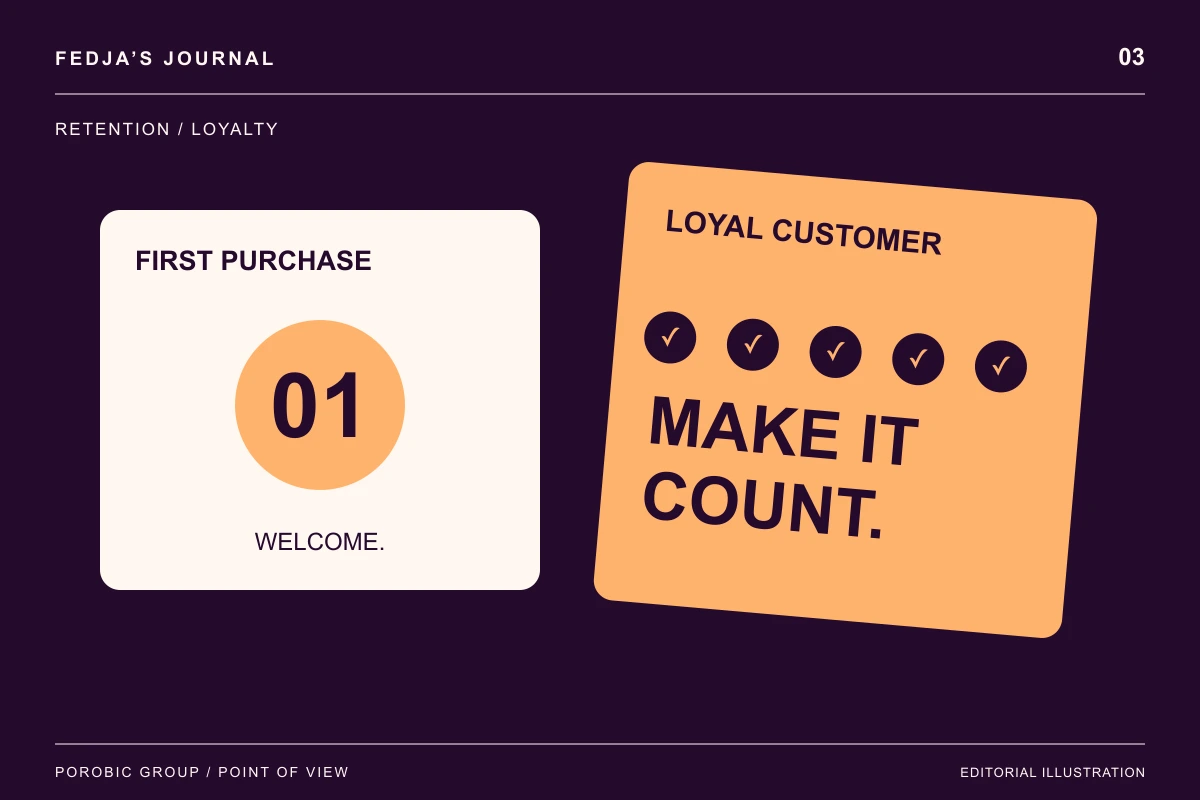
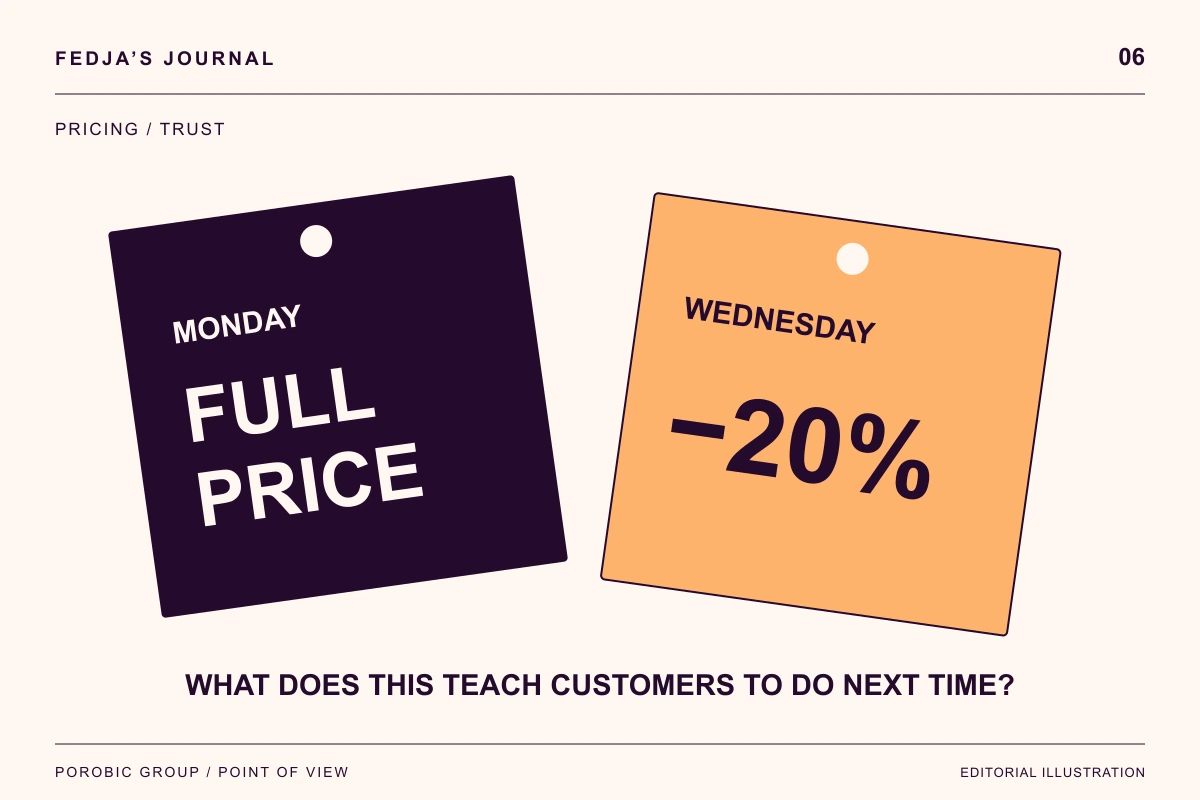
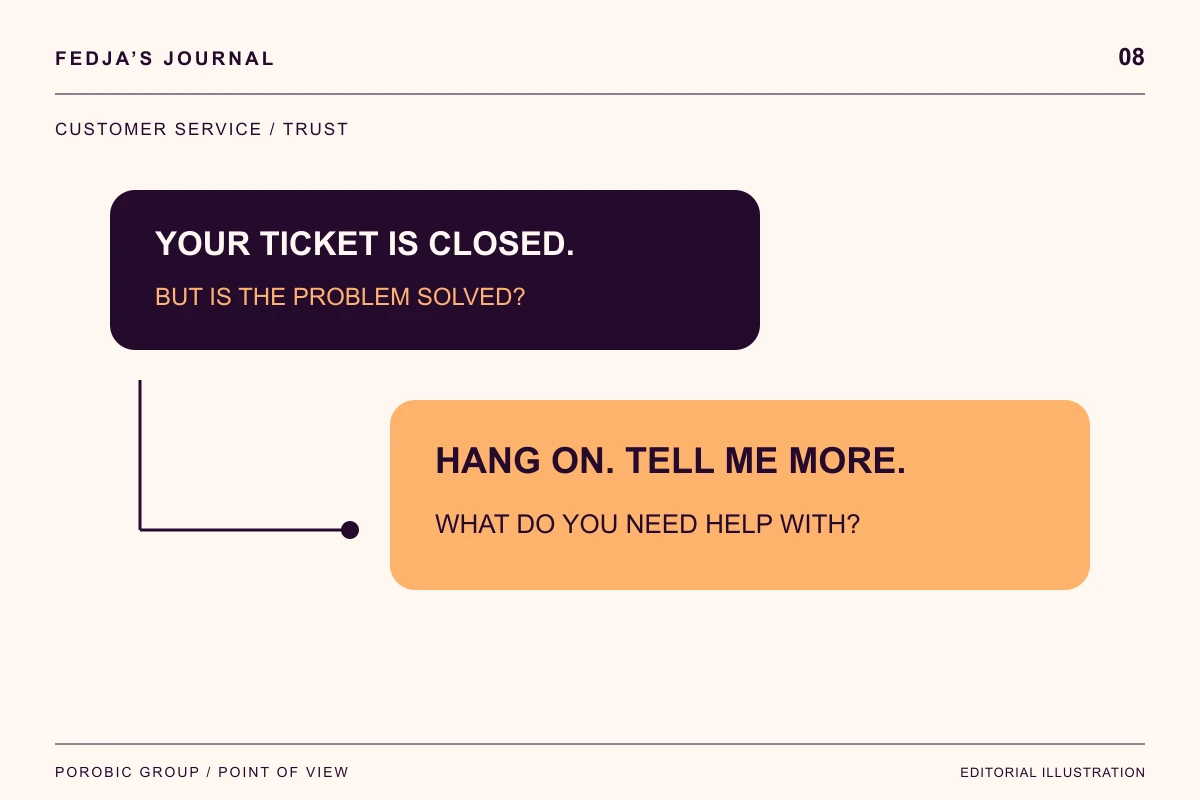
Repeat purchase starts before the first order.
I like brands where the customer has a natural reason to return. That reason needs to exist in the product and experience long before the next discount email.
Returning customers are one of the things I look for in a D2C company. They say something about the product’s relevance and can improve the economics of the business. But I want to understand why customers return, how long it takes and what economic value the purchases actually create.
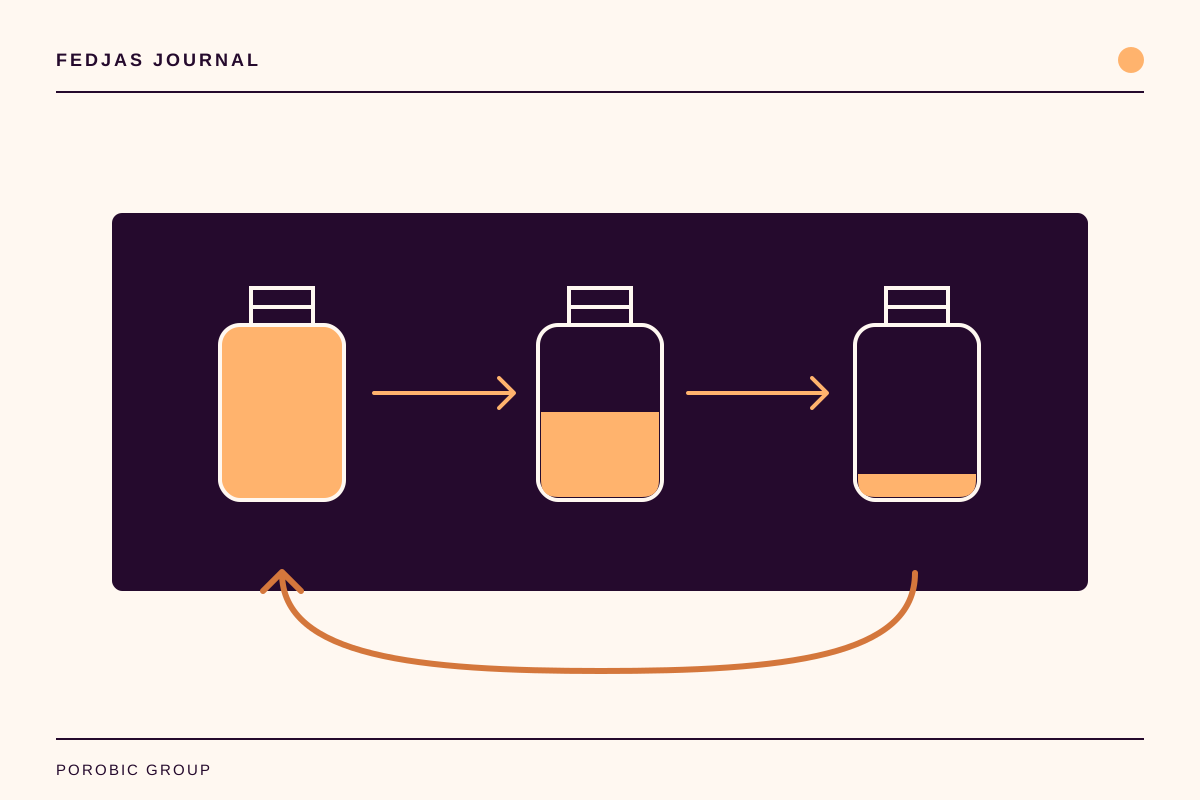
Start with the product’s natural rhythm. A consumable runs out. A garment can lead to a purchase in another colour or category. A product lasting many years needs another plan. Sending the same reminder after the same number of days to all three is convenient for the sender. It says little about the customer’s needs.
Then group customers by first purchase. Google Analytics describes cohorts as groups sharing a characteristic, such as their first transaction during the same period. For the customer economics themselves, I also want the store’s order and customer data, with clear treatment of returns and refunds.
Follow what share of a customer group buys again after, for example, 30, 60 and 90 days. Compare groups that have had the same time to act. A customer acquired two weeks ago has not yet had a chance to make a repeat purchase after 90 days. It sounds obvious, but the wrong comparison can make a report tell an entirely invented story.
Look at what remains too. More orders with deep discounts, expensive shipping and many returns can produce worse economics than fewer well-considered purchases. I want to see contribution per customer group, when the cash arrives and how much marketing it takes to bring the customer back.
Communication can then become useful. Help the customer get started with the product. Answer questions that otherwise cause dissatisfaction. Remind her about replenishment when relevant. Show the next product when there is a sensible connection to what she already bought. Every contact should have a reason the customer can understand.
Feed the learning back to acquisition and product development. Which first purchases lead to happy customers who return? Which expectations from advertising create problems later? Which products seem to need a better introduction? Creative, e-commerce and retention can learn from the same reality here.
I want the forecast to rest on repeat purchases that customer groups actually support. If the calculation only works with future loyalty we have not yet seen, that needs to be clear before we buy more customers on that hope.

Fedja Porobic
Founder of Porobic Group. I write about advertising, ecommerce and the decisions that determine whether a business makes money.
Meet the Porobic Group team