Sales are good. Get curious before you get smug.
A good month can make anyone a genius in their own head. I would like to look at the numbers before we decide we have cracked it.
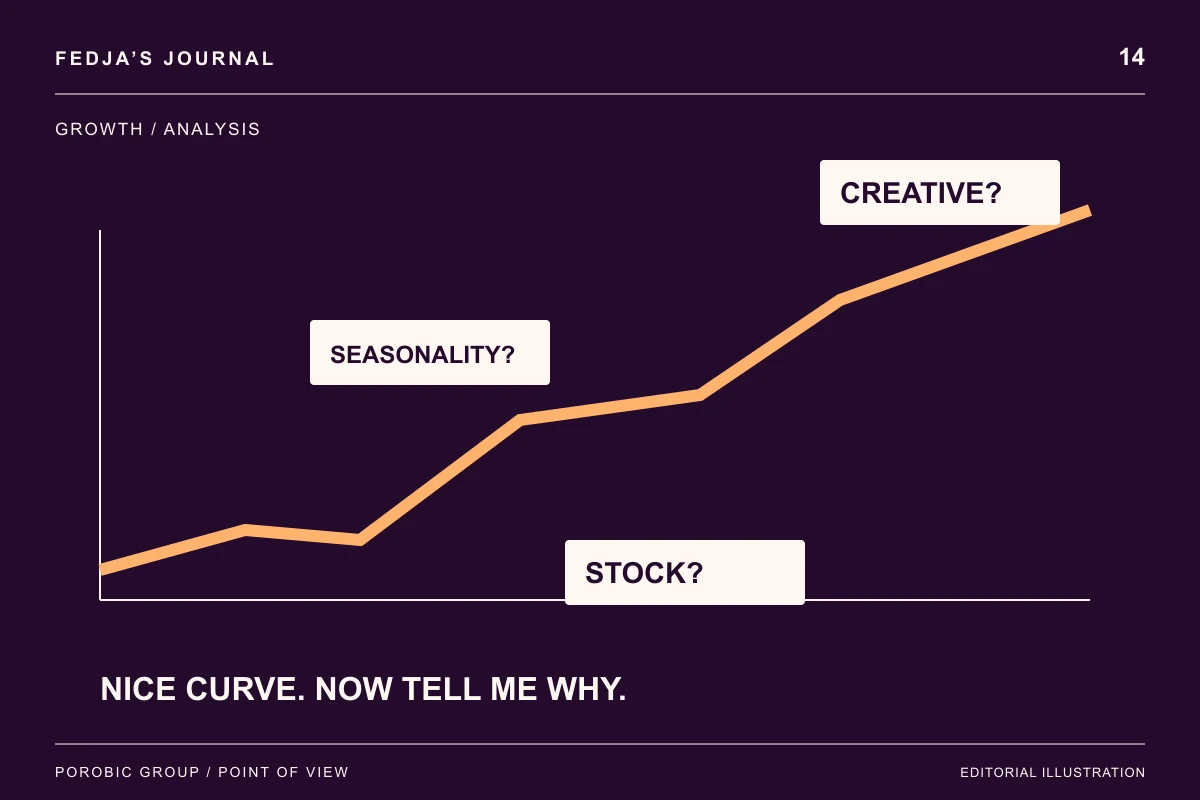
When sales are bad, we look for explanations. When they are good, we easily settle for saying the ad was fantastic. I want to look at the numbers in both cases. That strong month will soon become an argument for a bigger budget and a new sales target. We need to know which conditions we are actually trying to repeat.
Celebrate. Then look at the numbers.
A good ad can absolutely be an important reason for a strong month. At the same time, seasonal demand may have risen, the bestseller may have returned to stock and returning customers may have been ready to buy. Several things can have helped together.
If we decide too quickly that everything came from our fantastic ad, the next plan easily rests on the same explanation. Raise the budget, double production and set high expectations. I would like to know which conditions did the work before we try to repeat the result without them.
Put the changes in order.
Start with a simple timeline. When did new creatives go live? When did stock arrive? When did price or the campaign change? Did we change the site or communications? Try to connect the events with when the outcome actually started moving.
Choose a relevant comparison. The previous month may fall in a different season, and last year’s product range may have been different. Write down what differs so the explanation can be discussed properly. A timeline and a sensible comparison can make a much better meeting than another screenshot of the revenue curve.
Which customers and products carried the month?
Break down sales so you can see who bought and what they bought. Did the increase come from new customers, returning customers or both? Was it spread across the range or concentrated in one product that was finally available to order?
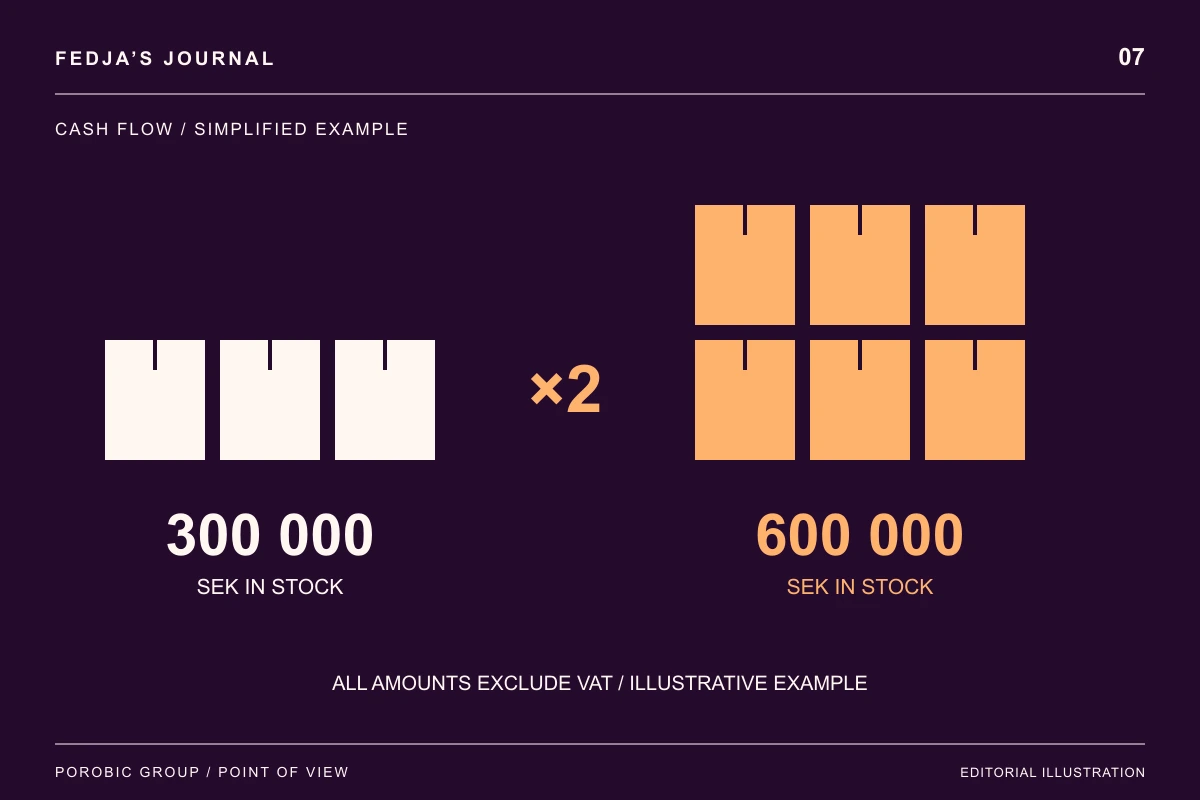
Pent-up interest after a stockout is hardly something we can sell again straight away. New customer groups need time before we know how they repurchase. Let them spend some time as customers before becoming a finished success story in the next budget.
How much of the success remained?
I want to see what happened to margin and costs as revenue rose. Did we get a better price, sell a different product mix or use more discount? How did acquisition cost change? What do we know about shipping and returns for the period?
Also look at what the period requires from cash going forward. Strong sales can lead to a larger stock order. Late returns and refunds can change the picture when the month is reviewed again. Write down which parts of the result are settled and which still rely on estimates. That makes the next decision easier to assess.
Do the review while the month is still fresh.
We can put serious time into a retrospective after Black Week. I want the same work after a strong ordinary month. Bring the people who can explain what we did and what happened. Work through:
- What did we change deliberately, and what changed outside our control?
- What in customers, products and profitability supports our explanation?
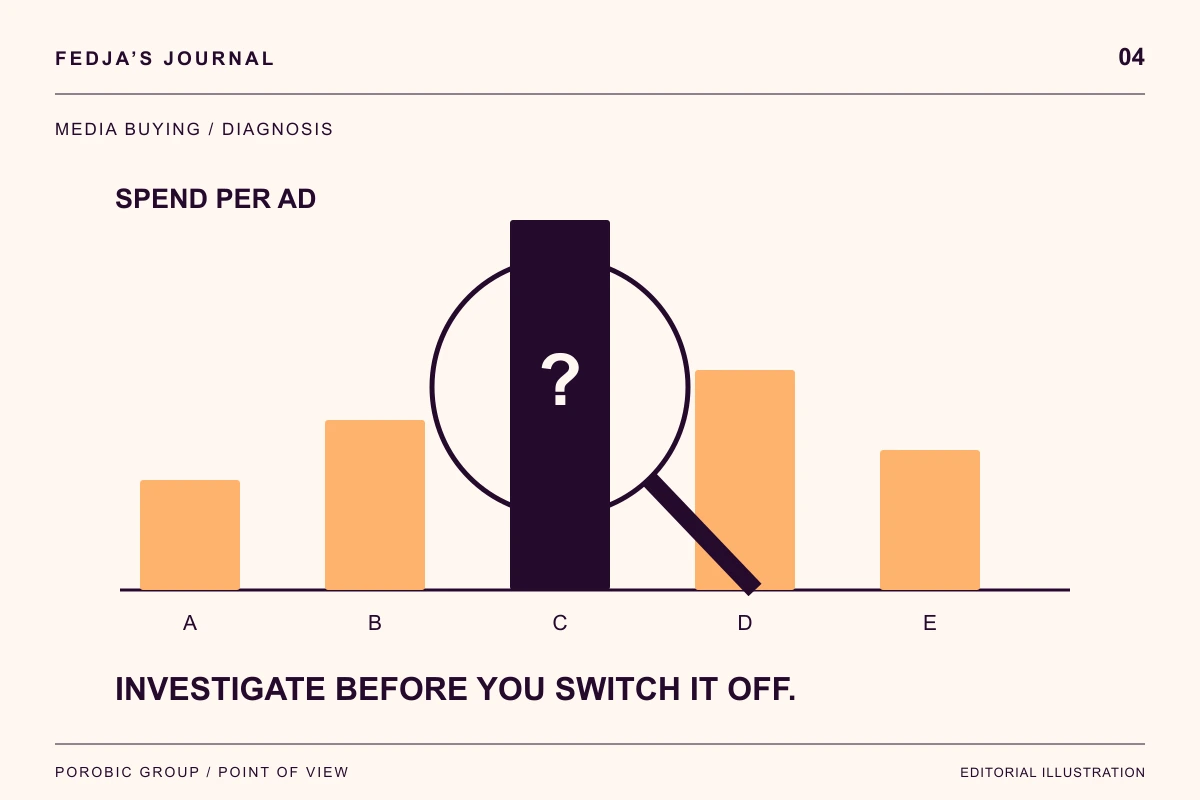
- What do we still only believe, and how could we investigate it?
- What should we keep, test further or plan more cautiously for the next period?
The next target needs to know how we got here.
Choose what to do differently next month and record who will take it forward. If the forecast assumes a product is in stock or a particular price holds, that should appear there. The learning needs to survive the meeting.
A report can be very long and still miss the question. We can dig into an old 404 page until everyone falls asleep and still not know why customers bought. I want a review that improves the next decision. Use the opportunity when things are going well, before the next sales target keeps us busy with something else.

Fedja Porobic
Founder of Porobic Group. I write about advertising, ecommerce and the decisions that determine whether a business makes money.
Meet the Porobic Group team