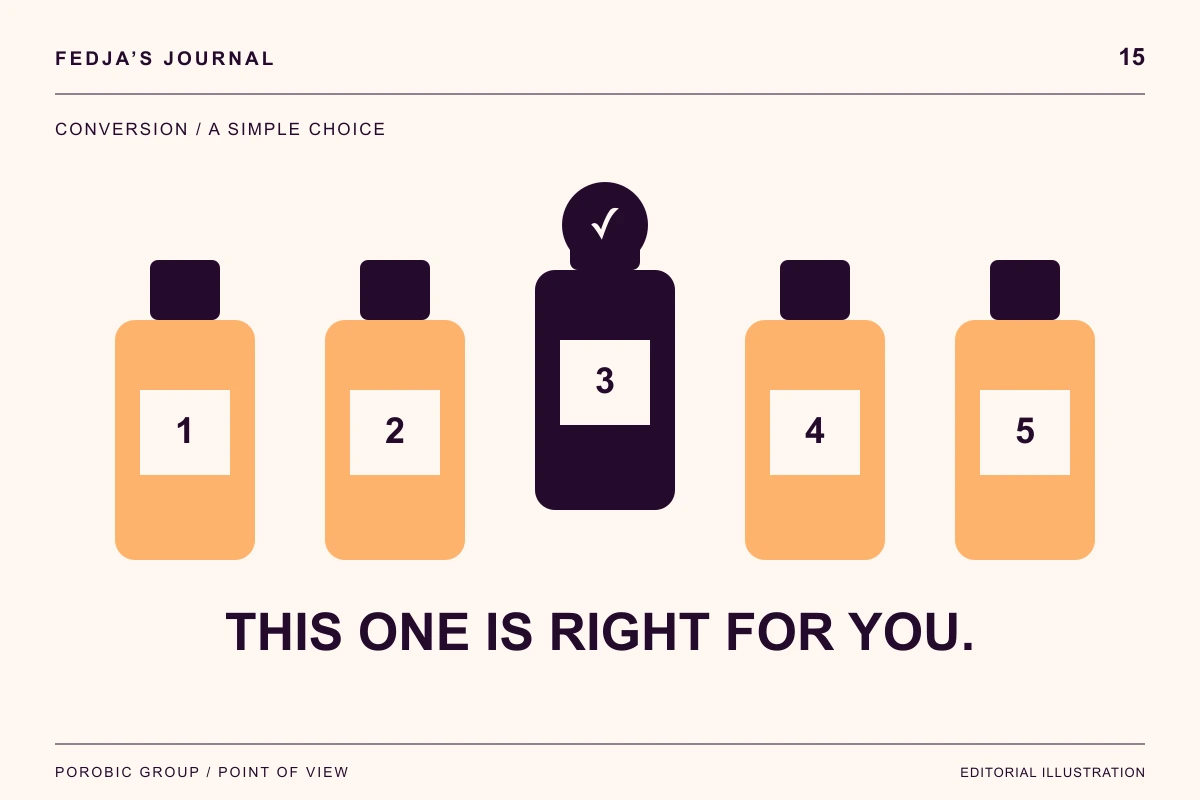
Your product page should answer the questions that hold up the sale.
You paid for the attention. Now the product page needs to earn the purchase. Start with the questions the customer actually needs answered.
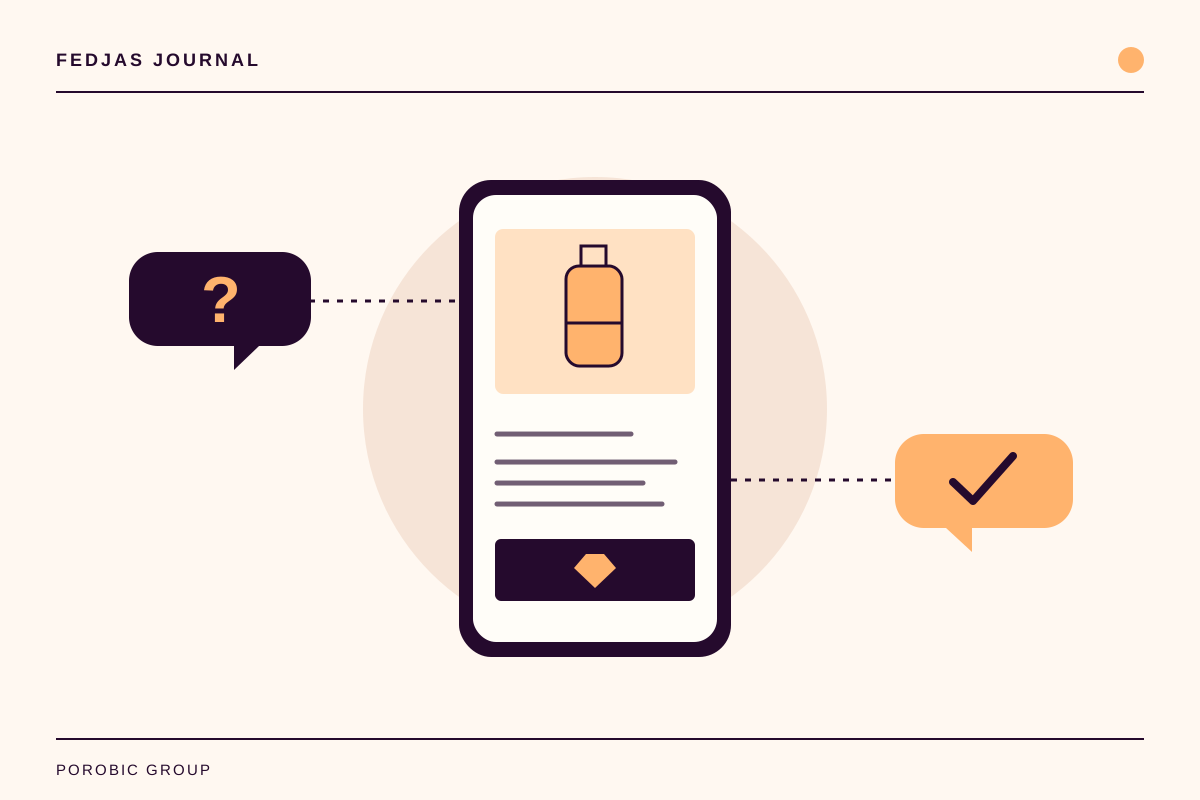
An ad can create interest in seconds. The product page needs to take that interest forward. I want to understand what the visitor has already seen, what the ad promised and what still feels uncertain. That is where a sensible conversion review begins.
Open the page on mobile and follow a real purchase attempt. Do you understand the product immediately? Can you see the price and what is included? Can you choose the correct variant without guessing? Can you find delivery information and terms before giving up your details? Record every question the page leaves unanswered.
Then examine the evidence. Images need to show things that help the customer assess the product. Size, material, use and details may need different explanations. Customer reviews should be real and relevant. Put the effort into a clear answer rather than a superlative headline any competitor could have written.
A brand with its own products often has a story worth telling. Why does the product exist? Which problem does it solve? What have the founders actually chosen to do differently? Stick to things that can be explained and supported. The customer should understand the value without first buying your entire worldview.
Speed is part of the experience too. A sluggish interface or a moving buy button makes purchasing harder. Google’s Core Web Vitals measure loading, responsiveness and visual stability. I would follow them on real mobile visits while looking at the concrete steps in the purchase journey.
Then prioritise changes. Choose a clear hypothesis, such as uncertainty about size stopping purchases. Decide what will change and how to assess the outcome. With enough traffic, a well-designed experiment can help. At lower volumes, be especially careful about treating a short-term change as proof.
Connect the assessment to the economics. Follow order value, discount, returns and contribution alongside conversion rate. A change that generates more purchases through deeper discounting can affect P&L very differently from what the conversion report suggests.
Put the ad next to the product page at the next review. If they set different expectations, the customer has a problem to untangle at our advertising expense. Start there.

Fedja Porobic
Founder of Porobic Group. I write about advertising, ecommerce and the decisions that determine whether a business makes money.
Meet the Porobic Group team