Stop giving the last click all the fucking credit.
A friend sparked the interest and a product post made the customer look closer. Two weeks later, the search ad arrived and collected the applause.
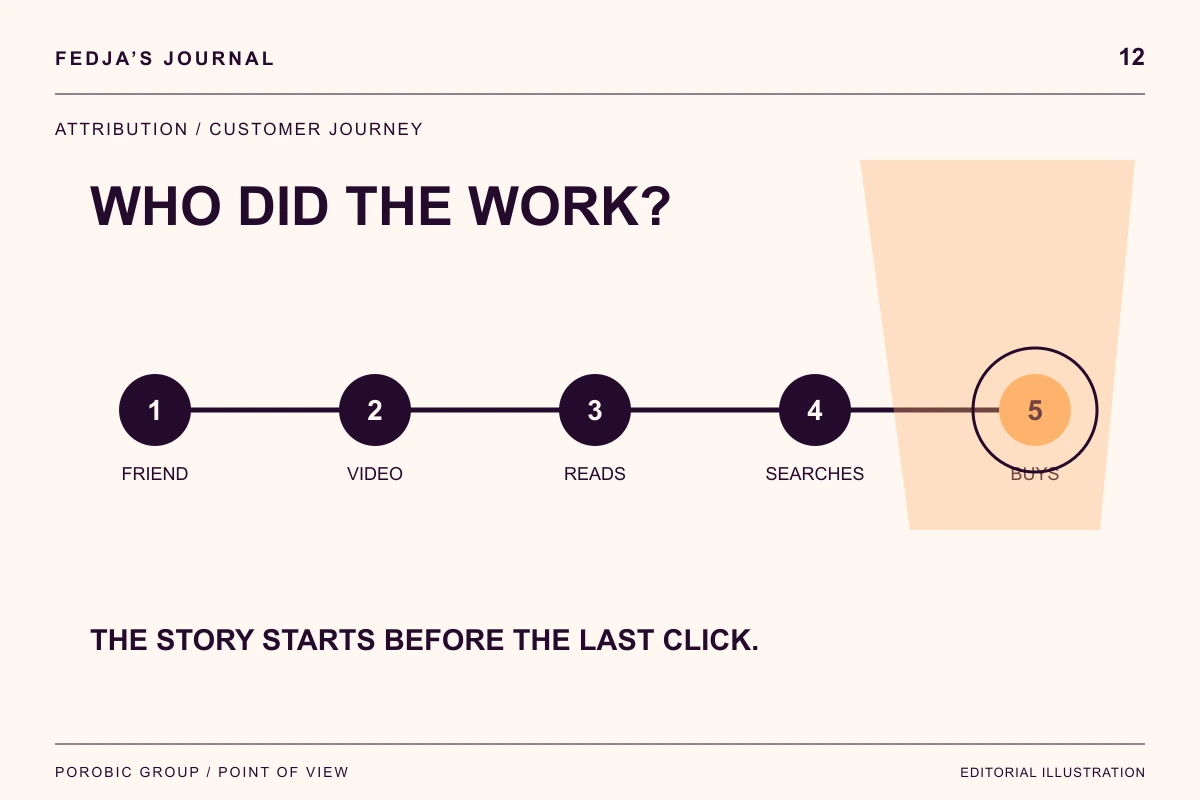
A friend recommends the product. The customer sees a post, visits the site and thinks about it. Two weeks later she searches for the brand, clicks an ad and buys. A report may give that final contact much of the credit. I think we need to be curious about what happened along the way, especially when reports decide where we put more money and time next.
By the time she searches, she may already know what she wants.
In this example, several things happened before the purchase. The friend’s recommendation may have made the product interesting. The post may have explained how to use it. The website visit may have answered a question. The customer then returns when she is ready to order.
The search ad may have helped the customer find her way when she was ready. I want to understand that contribution. But treating the last recorded contact as the whole explanation writes out much of what happened before the purchase. That makes reporting easier than actually understanding the customer.
An allocation model is no proof of causation.
Attribution allocates a recorded outcome between contacts according to a model and the available data. Last click places the weight on the final qualifying contact. Good: now we know how that report shares the credit. It still does not tell us what would have happened without the ad.
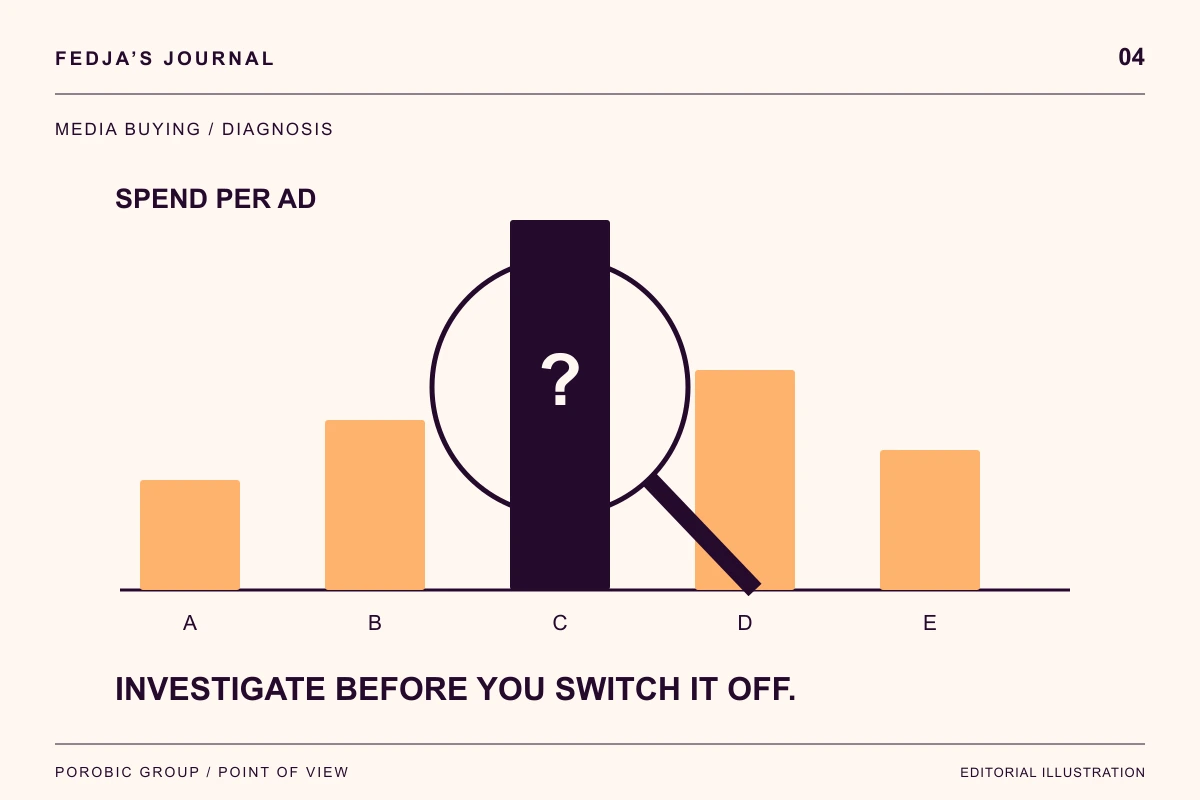
The customer might have clicked another result or returned directly. She might have decided against buying. That difference needs investigating before we turn the report’s allocation of credit into an explanation of what caused the purchase.
Who will get the customer interested next time?
If we prioritise everything by proximity to purchase, we can put less and less effort into what sparks interest. Product explanations, creative and recommendations lose space because the link to a particular order is harder to trace. Eventually we have a team very busy capturing demand that somebody else is expected to create.
The film and brand work need to stand up to scrutiny too. I want to hear what the activity should influence and how we plan to assess it. A contribution that is hard to measure needs a better argument, not a budget protected from questions.
The customer can offer clues the account lacks.
I like listening to how customers describe a purchase. Ask how they first heard of the product, what made it relevant and what happened when they decided. Let the person tell the story in her own words before listing your channels.
Customer memories are clues, not exact channel shares. Look for recurring themes and put them beside other evidence. A good quote can give us an idea to investigate. We still need to test whether the explanation holds up when a larger marketing decision rests on it.
Ask what changes when we do the work.
A well-designed experiment can help us investigate which purchases happen because of the activity. The setup must fit the volume and decision. A small company has as much right to a good question as a large one, but hardly the same capacity for every test.
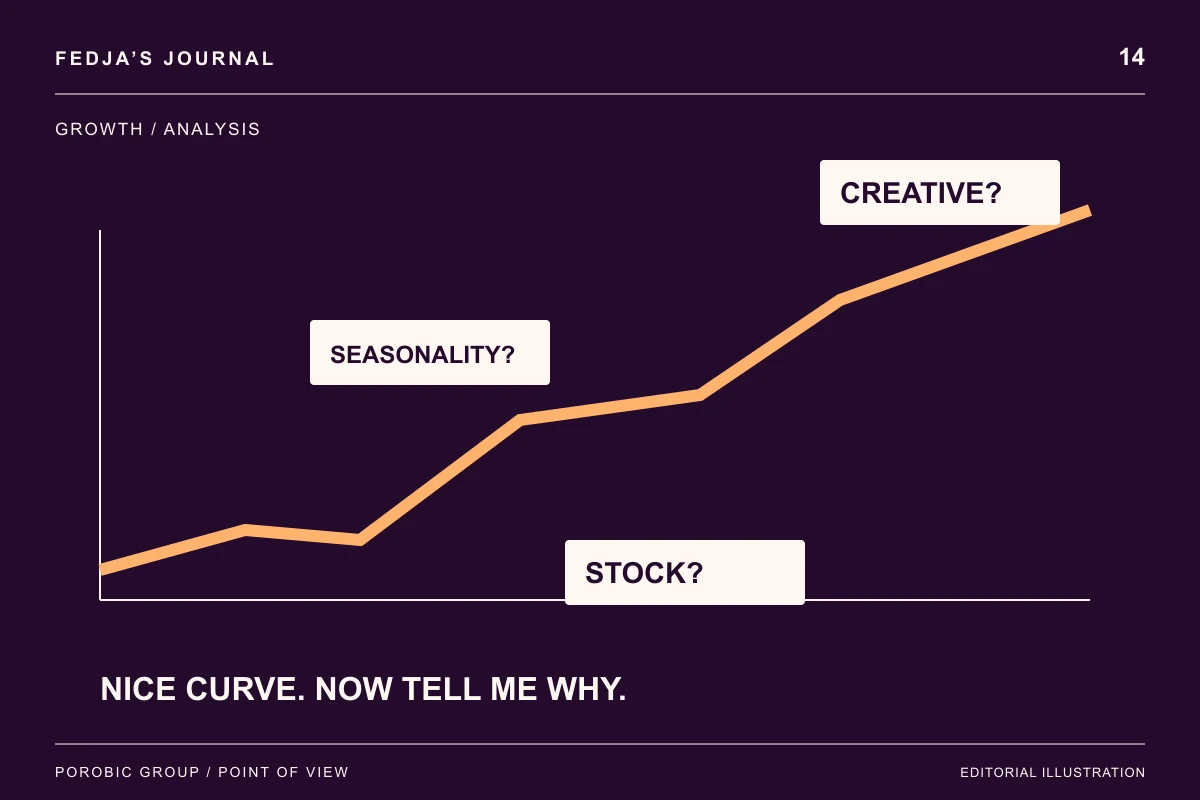
A before-and-after comparison becomes hard to read if season, price and stock change at the same time. Write down the comparison group, period and outcome, and decide which decision the test should help us make. Then we can be ambitious and clear about what we have learned.
Let the evidence work together.
When the ad account and order data point in different directions, I want to investigate why. Customer stories can provide more clues. Pulling out the report with the highest ROAS makes the presentation more comfortable, but hardly improves the budget decision.
Connect the next investment to P&L and the forecast, and write down what we still need to learn. I want to understand why the customer chose us, even when the answer is harder to present. I will not let a report column decide which parts of the journey are allowed to exist.

Fedja Porobic
Founder of Porobic Group. I write about advertising, ecommerce and the decisions that determine whether a business makes money.
Meet the Porobic Group team