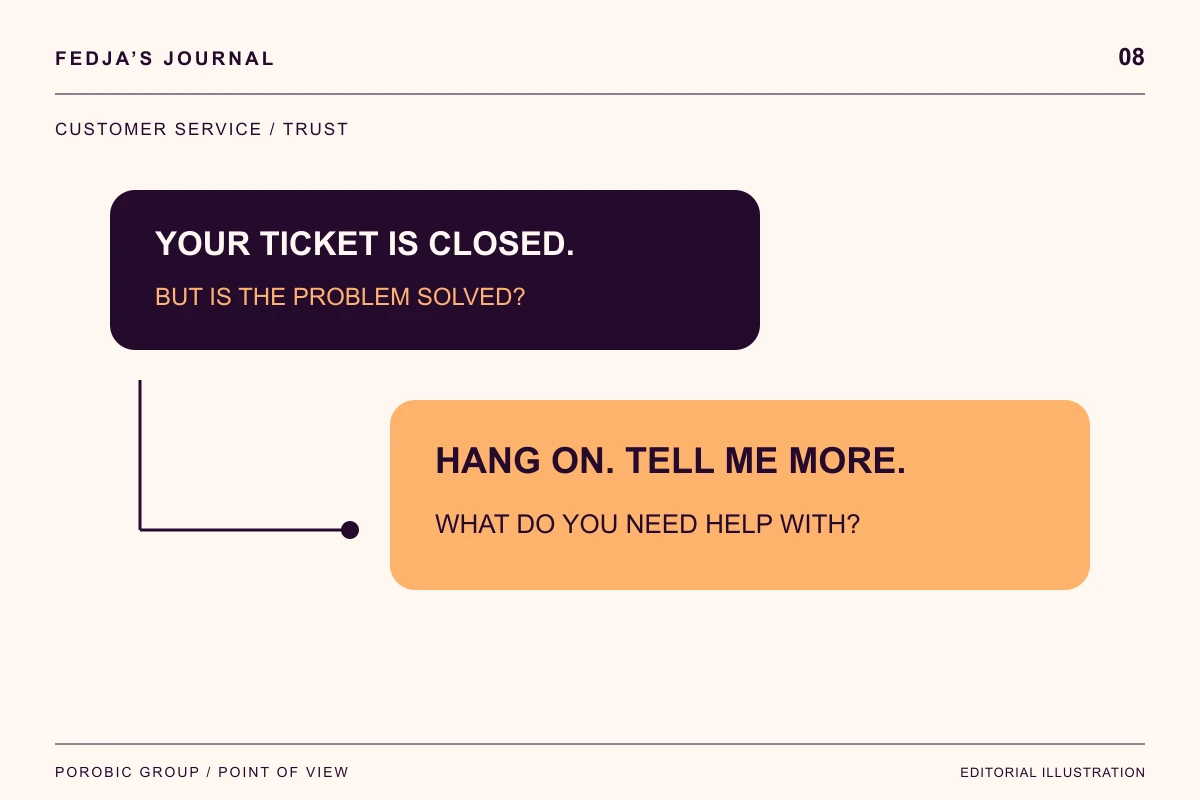
AI closed the ticket. The customer is still pissed off.
If your automation makes closing a ticket easier than solving the customer’s problem, you made the wrong thing efficient.
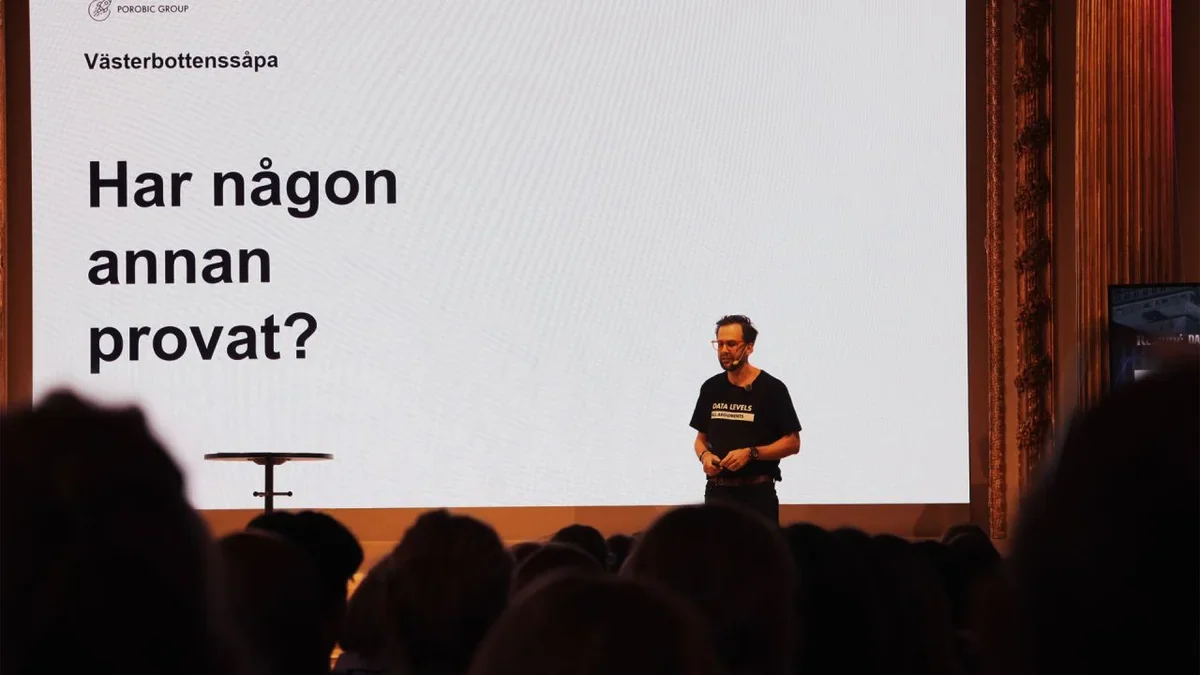
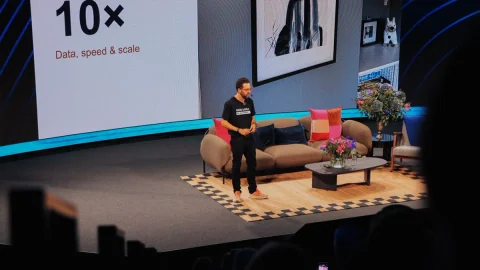
At Resumé Martech, I spoke about building e-commerce companies in a world where AI makes more and more possible. I shared an example from Mockberg and asked: if we built the company from scratch today and tried to automate as much as possible, would the human conversation survive? I think that question says something important about efficiency. We need to understand what the customer actually values before deciding what can be removed.
The conversation was part of the brand.
The example I shared concerned a customer who had been disappointed with the experience and described it publicly. The next day came an update about a call from Mockberg’s then CEO, Elvira Eriksson. The same customer posted a new TikTok with the words: Eloge till Mockberg — praise for Mockberg. That is the story I used in my keynote.
For me, the point is what the customer experienced when something had gone wrong. Someone took responsibility. That gave her a real event to describe, instead of another company message about how much we care.
Decide what should become easier.
I would start with the work around customer contact. Someone searches for an order, copies details and waits for an internal answer. There is work to simplify there. How little human time each ticket can receive is another, much narrower question.
If we count only time per ticket, we risk missing why the contact exists. The customer may need a simple answer. She may also need to feel understood when the experience did not turn out as expected. I do not want those two situations automatically getting the same solution.
Let technology simplify. Give people authority.
Technology can help detect the problem and collect the right information so the person meeting the customer need not start from scratch. That is useful. I also want to identify who can take responsibility when the situation needs something the standard answer cannot handle.
The interesting question is therefore more than what an AI tool can answer. I also want to know when a person should step in and what she can do then. A fast answer is good when it resolves the issue. If the customer needs something else, I want the route there to be clear.
The CEO hardly needs to call every customer. The example shows what can happen when someone is allowed to take responsibility for a bad experience. More people than the founder need that freedom to act.
So discuss the room to act. Which questions can the person solve alone? When is support needed? Who owns a problem spanning several parts of the business? Care is difficult to put into practice if the person wants to help but has authority only to copy an answer and close the contact.
Authenticity needs something behind the words.
We can put a great deal of creative effort into describing the brand’s personality. I think the encounter when something fails belongs in that work too. It lets the customer experience what the company stands for. The experience need not be perfect for how we handle it to mean something.
That is what I mean by authenticity: behaviour the customer can notice. We cannot order her reaction or know whether she will tell others about us. But we can decide what happens when she needs help.
Ask the question before removing the step.
Take the next customer process you plan to automate and find where the customer waits for administration. Start there, by all means. Also check how she reaches someone allowed to act when the answer is insufficient. That route needs to work after the efficiency improvement too.
I am happy to build more efficient companies. But if efficiency removes what the customer values, we need to reassess what we have actually improved. Automate the work around care, by all means. Just make sure the care stays.

Fedja Porobic
Founder of Porobic Group. I write about advertising, ecommerce and the decisions that determine whether a business makes money.
Meet the Porobic Group team