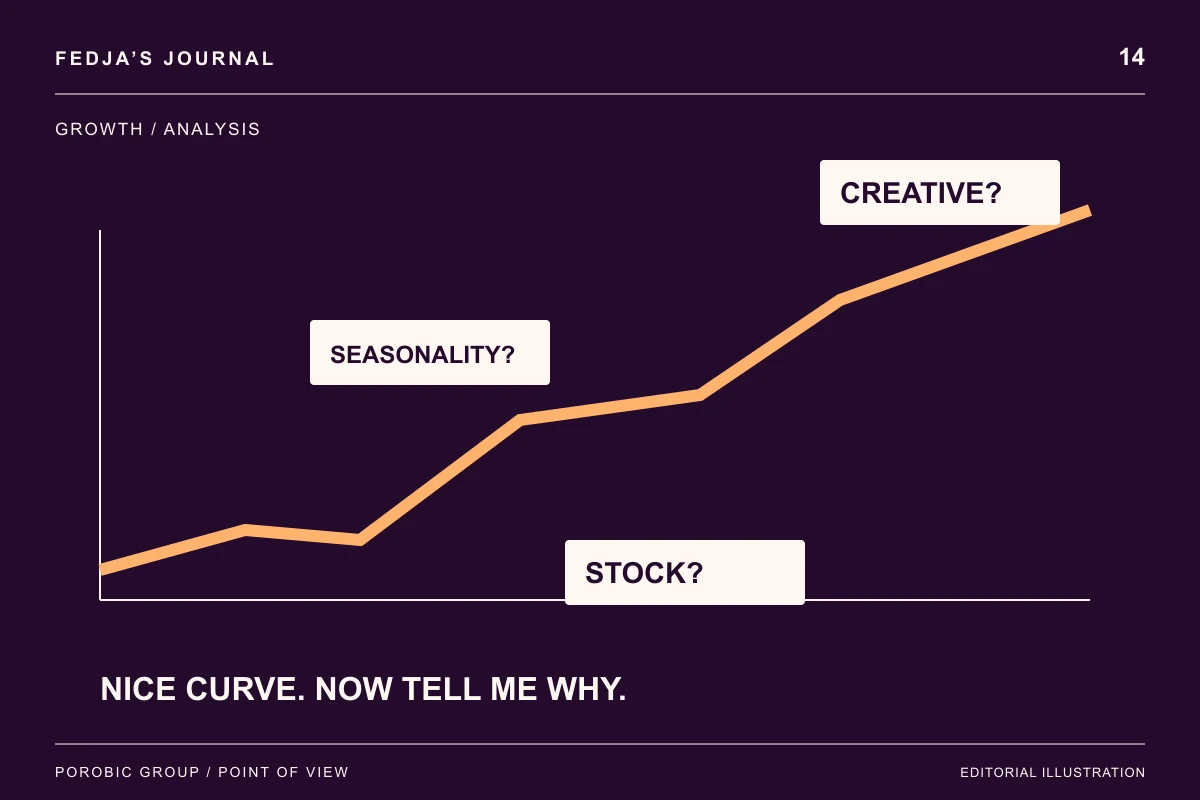
Proper tracking: follow an order all the way through.
An installed integration gets no free pass. Pick one order and check what the systems recorded before the numbers get to decide the budget.
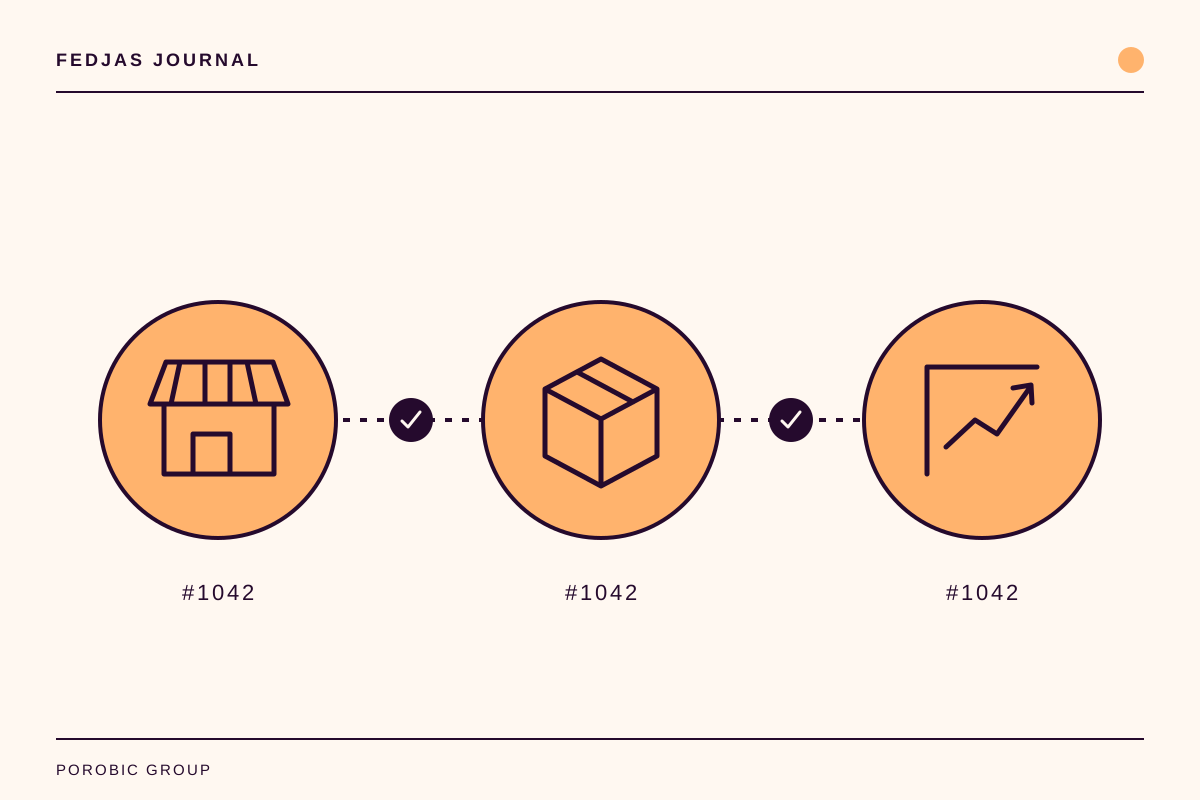
I want to trace how a purchase becomes a number in reporting. An installed integration and a dashboard drawing graphs are a start. To use the data, we need to know what the events mean and how the values were calculated.
Step one: write down the definitions. What does revenue mean in the store, accounts and analytics tool? Does it include VAT, shipping or discount? How are refunds handled? Decide which number serves which decision. Systems can have different jobs without every difference being an error.
Step two: make a controlled test purchase. Save the order ID, time, currency, products and amounts. Then open the tool used to verify collection. For GA4, Google’s documentation shows how DebugView can inspect the events and parameters that actually arrive.
Step three: check the purchase event itself. GA4’s e-commerce documentation covers purchase, transaction_id, currency and product information, among other things. Compare the values sent with the test order. Look for missing values and unintended duplicate implementations. A tidy summary higher up in reporting can hide a fundamental fault here.
Step four: test the refund. Google describes the refund event linked to transaction_id and recommends product information for item-level refund metrics. Check both full and partial refunds if the store uses both flows. Document what arrives and what needs correcting.
Step five: compare a period across systems. Use the same dates, time zone, currency and definitions as far as possible. Then investigate differences methodically. A platform’s attribution, an analytics tool’s collection and the store’s order book describe different parts of reality. We need to understand those differences before treating the figures as interchangeable.
Step six: connect measurement to a decision. Which evidence do you use for the forecast, to assess channel contribution and to follow creative? Record what that evidence cannot yet answer too. A clear limitation makes the report easier to use responsibly.
This is a first check. Repeat the relevant parts after major changes to checkout, tags and integrations. If we cannot explain how the purchase became a number, we should sort that out before making the next big decision based on it.

Fedja Porobic
Founder of Porobic Group. I write about advertising, ecommerce and the decisions that determine whether a business makes money.
Meet the Porobic Group team