Meta is rebuilding the ad engine. Here is what I care about.
Meta published two technical updates in October. They are worth understanding before making the next big account change on someone’s very confident advice.
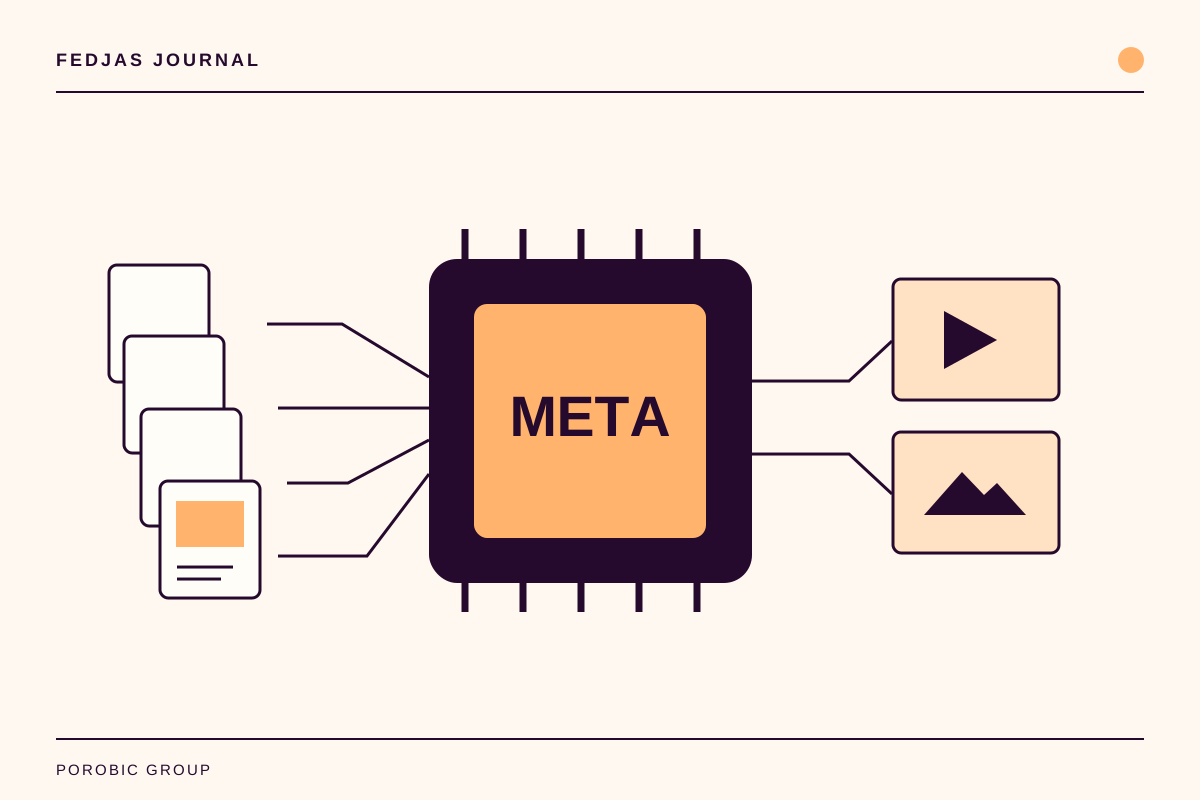
On 28 October 2026, Meta published a technical account of the next generation of Andromeda. The system works on ad selection before the later ranking stage. Meta describes how model, systems and GPU hardware were developed together to handle a larger set of possible ads within the same time limit.
On 19 October, Meta also described GenRecs Tokenization. This concerns how ad content and other objects are represented through a common semantic vocabulary. According to Meta, this lets the system draw on relationships between things it already knows and new products or ads with limited history.
These are two updates on how Meta’s systems work. Neither technical overview is a ready-made guide to the precise campaign structure, ad count or budget in your company. That distinction matters when technical news quickly turns into confident checklists in the feed.
My interpretation is that being clear about what we offer and why different people would care becomes even more relevant. That gives me a reason to examine our creative work. Do we actually have different messages, product explanations and situations of use? Or have we changed the colour of the same idea fifteen times?
That also aligns with Meta’s own training on creative diversification, which covers variation in format, visual expression and messaging. I would use it to inform a better test plan. I would be cautious about translating a general recommendation into a supposedly magical number of ads for every account.
For a D2C company, the next step still starts with economics. Which products have room to grow? Which customer can we afford to reach? Which objections should creative address? Those questions give testing direction even as the platform’s technology changes.
Document what actually changes in your work and when. Follow cost, customer quality and business outcomes over a reasonable period. If several things change together, the conclusion needs to reflect that uncertainty. Meta’s own system results are not a forecast for your individual brand either.
I take away a reason to examine which ideas we actually test. Meta’s technical news offers no support for treating fifteen colour changes as fifteen good ideas. It gives no answer for the budget in our account either. We still have that work to do.

Fedja Porobic
Founder of Porobic Group. I write about advertising, ecommerce and the decisions that determine whether a business makes money.
Meet the Porobic Group team