
Build a forecast you can use when plans change.
Revenue does not pay supplier invoices. Here is our D2C forecast template: P&L, marketing, inventory and cash, with assumptions you can change.
A forecast that follows the cash.
Plan sales, the work behind them and what is left in the bank. A working model for D2C businesses with their own products.
- P&L, marketing and cash flow in one model.
- Acquisition, repeat orders, inventory and purchasing with explicit assumptions.
- Own products, manufacturing or sourcing, own warehouse or 3PL.
- Scenarios and checks that show what growth demands.
I want to open a forecast and make a decision. Can we increase the marketing budget? Can we afford the next stock order? What needs to happen for the ambition to add up? That is why we have built a model connecting P&L, marketing, inventory and cash. Request it here, make your own copy in Google Sheets and put your numbers to work.
Start with one month per column and keep the basic definitions simple. Enter net revenue excluding VAT, order count, average order value, new customers and returning customers. Separate actual historical values from future assumptions. Mark where each input comes from so someone else can follow the reasoning.
Then build the cost side. Product cost, shipping and handling, payment, returns and marketing need to be visible. Add the fixed costs required to run the company. Keep track of what a margin already includes so the same cost is not deducted twice.
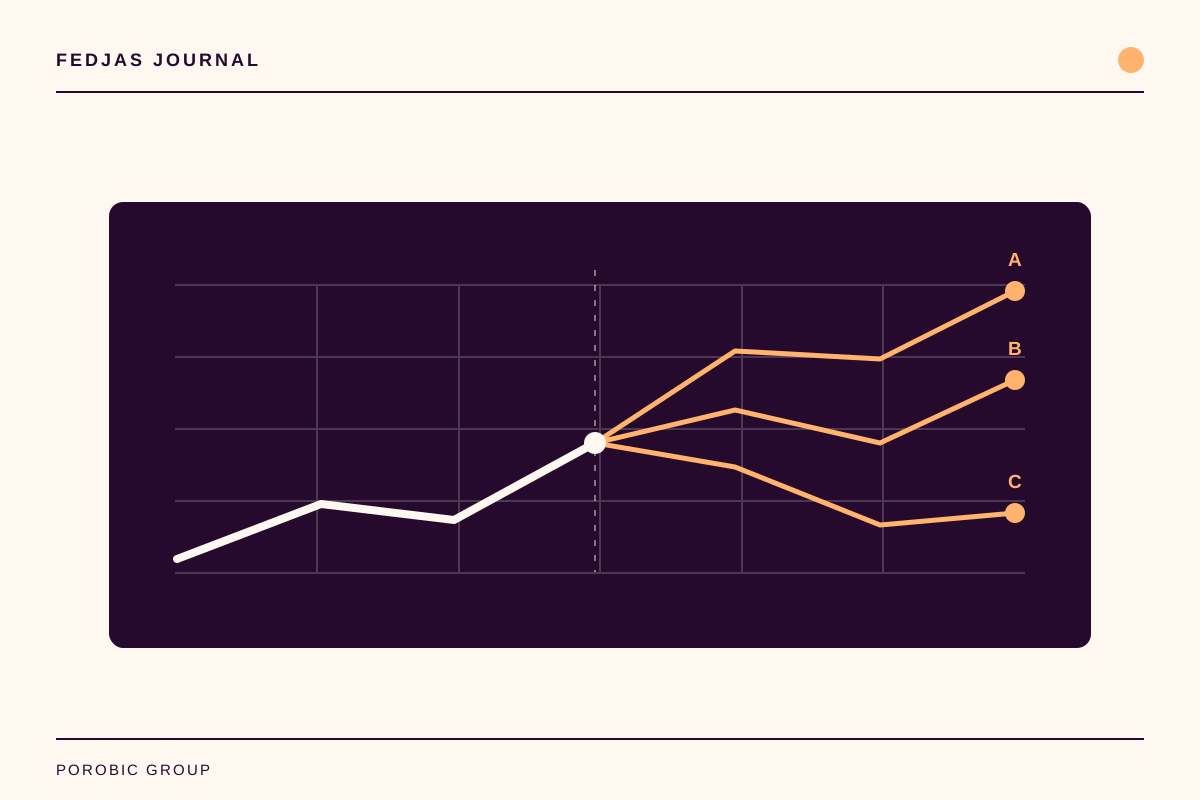
Create three scenarios: cautious, base and strong. Change assumptions that can actually differ, such as acquisition cost, order value, repurchase or return rate. Explain why the scenario looks as it does. Multiplying all sales by a bigger number offers little guidance on how those sales will happen.
Put the marketing plan beside the finances. Which products and markets will contribute? Which creative production needs completing? What needs improving in e-commerce? Which assumptions need a test before you put more money behind them? That makes the execution behind the plan visible.
Follow cash flow too. Stock purchases may need paying before the sales, while supplier terms and payout timing affect when money moves. A positive profit figure for a period does not, by itself, mean there is enough cash for the next stock order. Adapt the model to how payments work in your particular company.
When the month closes, compare actuals with the forecast and break down the difference. Did the variance come from customer count, order value, margin, cost or timing? Update future periods when the learning is relevant. Try to preserve the old version so you can follow how the assessment changed over time.
The example numbers in the template are fictional. They show how the model works, rather than how a client performs or what your business should achieve. Start with history, enter your terms and choose the assumptions you actually believe. Then I want to see which decision the forecast helps you make. Otherwise we have mostly built a fairly expensive way to show that we hope for growth.

Fedja Porobic
Founder of Porobic Group. I write about advertising, ecommerce and the decisions that determine whether a business makes money.
Meet the Porobic Group team